
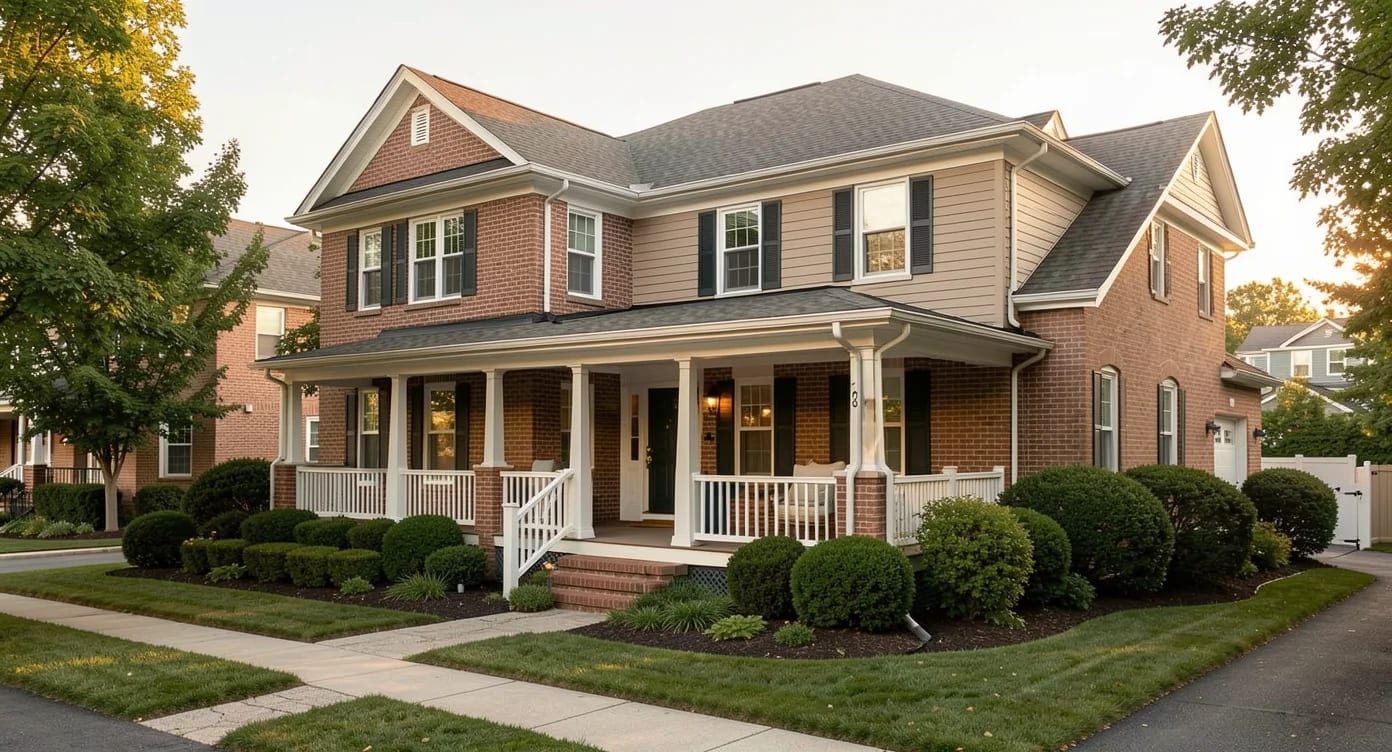

Selling a home in Cumming is more than putting a sign in the yard. A confident sale comes from understanding your property’s position in the Forsyth County market, preparing it to make a strong first impression, and having a clear plan from pricing through closing. Whether you are moving across town, relocating out of state, or selling a longtime family home, the right preparation can help you protect your time, reduce surprises, and make decisions with clarity.
This guide walks through the practical stages of selling a home in Cumming, GA: setting a strategy, preparing the property, reaching qualified buyers, managing showings, reviewing offers, and planning the next steps.
Start With a Local Pricing Strategy
Pricing is one of the most important decisions you will make. The best list price is not simply the highest number suggested by an online estimate or a nearby sale. It should reflect your home’s condition, location, lot, updates, competing listings, and the pace of current buyer demand in Forsyth County.
A thorough pricing review looks at recently sold homes that buyers would consider similar to yours, as well as homes currently for sale. Active listings show the competition your property will face; pending and sold homes show what buyers have been willing to pay. Details such as school zones, proximity to Lake Lanier, community amenities, floor plan, outdoor space, and renovation quality can all influence value.
It is also helpful to decide in advance how you will respond if early feedback differs from expectations. A thoughtful launch price and a defined review point can be more effective than starting too high and making repeated reductions after buyer interest has cooled.

Prepare Your Home Before It Goes Live
Buyers form an opinion quickly, both online and in person. Preparing your home does not always mean taking on a major renovation. It means focusing on the improvements that make the home feel clean, cared for, bright, and easy to picture as their own.
Begin with repairs that may distract buyers or raise questions during an inspection: leaking faucets, damaged trim, loose hardware, burned-out bulbs, cracked caulk, and deferred maintenance. Then concentrate on presentation. Declutter shelves and countertops, remove overly personal items, organize closets, and create clear walking paths through each room. A deep cleaning can have as much impact as a larger project.
Curb appeal deserves attention as well. Fresh mulch, trimmed landscaping, a clean entry, pressure-washed walkways, and a welcoming front door help set the tone before a buyer even steps inside. If your home has a deck, patio, pool, or wooded backyard, make those spaces feel usable and inviting rather than overlooked.
Market the Home Where Buyers Are Looking
Today’s buyers often decide which homes to tour based on the first few seconds they spend viewing a listing online. Professional photography, a compelling property description, accurate details, and a coordinated launch help your home stand out from the many options buyers may be comparing.
Strong marketing tells the story of the home without overselling it. It should highlight features buyers value most, such as a renovated kitchen, flexible home office, main-level bedroom, finished basement, lake access, community amenities, or an outdoor entertaining area. Clear room dimensions and complete property details help qualified buyers understand the opportunity before they schedule a showing.
Timing also matters. Your marketing plan should consider local inventory, seasonal activity, your moving timeline, and the condition of the property. A prepared listing launched with complete materials is generally more effective than a rushed listing that needs updates after buyers have already seen it.

Make Showings Simple and Welcoming
Once the home is active, showings are your opportunity to turn online interest into a serious offer. The goal is to make it easy for qualified buyers to see the property while keeping the process manageable for your household.
Create a simple showing routine: keep surfaces clear, open blinds, turn on lights, secure valuables and medications, and have a plan for pets. If possible, step out during tours so buyers can comfortably discuss the home and imagine how they would use each room. Small details, including a comfortable temperature and a clean entryway, can make a meaningful difference.
Feedback from early showings can be useful, especially when the same concern comes up more than once. It may point to a presentation issue, a repair worth addressing, or a price conversation that deserves attention. Not every comment requires a change, but patterns should be considered promptly and objectively.
Evaluate Offers Beyond the Purchase Price
An offer is a complete package, not just a number. The highest price may not be the strongest offer if it includes uncertain financing, a long due-diligence period, extensive contingencies, or a closing date that does not work for your move. Conversely, a slightly lower offer with solid financing and fewer obstacles may provide greater confidence.
When reviewing offers, consider the buyer’s loan type and preapproval, earnest money, requested concessions, inspection and appraisal terms, contingency deadlines, closing date, and any personal property included. If multiple offers arrive, a measured response strategy can help you compare them fairly and negotiate from a position of strength.
Once you accept an offer, the contract moves into important milestones. The buyer may conduct inspections, the lender may order an appraisal, and title work will be completed before closing. Staying organized and responding to requests on time can help keep the transaction moving forward.
Plan Your Sale and Next Move With Confidence
A successful sale starts with a plan that accounts for both the property and your life after closing. Think through your target timeline, moving needs, desired proceeds, and any purchase or rental plans that depend on the sale. If you need flexibility, discuss options such as a longer closing period, a leaseback, or a contingency strategy before the home is listed.
Gather key documents early, including warranties, receipts for major improvements, utility information, HOA documents when applicable, and records that may help answer buyer questions. Planning ahead can prevent last-minute scrambling and make it easier to evaluate offers against your real priorities.
Selling a home in Cumming, GA can feel like a major transition, but it does not have to feel uncertain. With an accurate local pricing strategy, thoughtful preparation, polished marketing, and clear guidance through negotiations and closing, you can approach your Forsyth County sale with confidence. When you are ready to talk through your home’s value and a strategy tailored to your goals, start with a conversation and a plan.